1364 stories
·
0 followers

FDA advisors unanimously vote to approve Moderna's mRNA after agency drama

1 Share

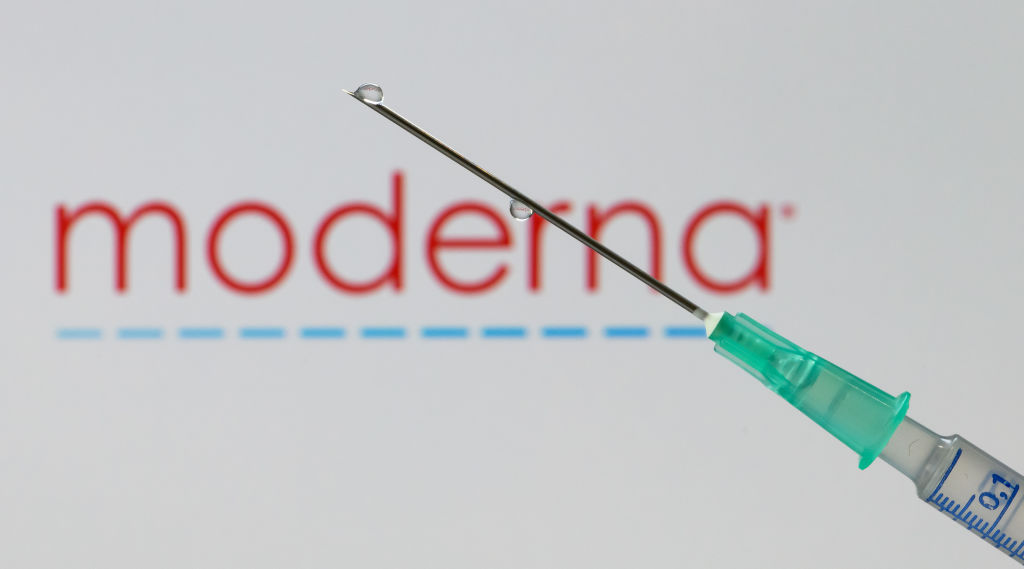
Independent advisors for the Food and Drug Administration on Friday voted 9–0 in support of approving Moderna's seasonal mRNA flu vaccine, which a Trump appointee at the agency initially tried to block from even being reviewed.

In an all-day meeting, members of the FDA's advisory committee—known as VRBPAC for Vaccines and Related Biological Products Advisory Committee—pored over data and presentations on the vaccine, which is dubbed mRNA-1010 and branded as mFlusiva. The presentations included a review from FDA scientists, which was supportive of the vaccine.

Data from a Phase 3 trial including over 40,000 adults age 50 and older found the mRNA vaccine was around 27 percent more effective against seasonal flu than a standard flu shot. A smaller Phase 3 trial, involving data from nearly 3,000 people age 65 years and older, showed the shot produces stronger immune responses than a high-dose flu vaccine, which is recommended for this age group. The safety profile of the vaccine was also generally good.

"I think that the studies that were presented today were very well conducted," VRBPAC voting member Flor Munoz-Rivas, a pediatric infectious disease expert at Baylor College of Medicine, said after the vote. "They have very clear results that are very robust in terms of demonstrating that additional efficacy."

She also expressed enthusiasm for the agile mRNA platform for the flu vaccine, which is based on the same platform Moderna used to develop its mRNA COVID-19 vaccines. In addition to the better efficacy, it allows for "rapid development of the vaccines in regular seasonal flu activity" and makes us "better prepared for emerging strains or pandemic strains in the future," she said.

Fellow voting member Hayley Gans, a pediatric infectious disease expert at Stanford University, agreed. "I think that this particular platform adds exciting ways that we can actually move our vaccines to the future," she said. "The signals that we're seeing now are not putting people at risk and the benefits are actually large not only for this season, but for really what it can do for our vaccine platform. ... This one has the potential to really move us in a modern direction."

FDA drama

The outcome today is in stark contrast to a few months ago, when Trump official Vinay Prasad was overseeing vaccines at the FDA. In a shocking decision in February, Prasad rejected Moderna's filing, refusing to even review the vaccine. Prasad claimed that the large vaccine trial was not "adequate and well-controlled" because it did not compare efficacy to a high-dose vaccine in people 65 and older. Instead, Moderna used the smaller trial to compare immune responses of mRNA-1010 to a high-dose vaccine—which was a plan the FDA had previously agreed would be acceptable.

Moderna was blindsided by the refusal, which Prasad issued over the objections of FDA scientists and career officials. Amid widespread outcry, the FDA reversed the decision the next week, agreeing to review the vaccine. Around the same time, Prasad was also behind the rejection of a closely watched gene therapy for Huntington's disease made by UniQure, which was widely criticized and called "truly evil" by a former FDA official.

Prasad was pushed out of FDA at the end of April amid a string of decried decisions and controversies. Prasad's decision on UniQure's gene therapy was reversed on Wednesday.

Moderna released a statement saying it was pleased with today's outcome.

"We appreciate the thoughtful review by the members of VRBPAC and their recognition of the clinical evidence supporting mRNA-1010," Moderna CEO Stéphane Bancel said in the statement. "We believe mRNA-1010 has the potential to provide an important new option for seasonal flu prevention and further demonstrate the versatility of our mRNA platform. We look forward to continuing to work with the FDA as it completes its review."

Next steps

While unanimous support from the advisors is a positive sign for the vaccine's fate, the FDA ultimately decides whether to grant approval. The agency has set a deadline for a decision by August 5.

Moderna has previously said it is aiming to release the vaccine later this year, pending approval.

A further hurdle will be getting a recommendation from the Centers for Disease Control and Prevention. Newly FDA-approved vaccines would first be reviewed by the CDC's advisory committee—the Advisory Committee on Immunization Practices (ACIP)—which would vote on recommendations for use that it thinks the CDC should adopt. Having recommendations from ACIP and CDC mean that almost all commercial insurance providers and federal programs would be required by law to cover the vaccine at no cost.

However, ACIP is effectively defunct after a federal judge issued a temporary injunction that blocked almost all of the allies anti-vaccine Health Secretary Robert F. Kennedy Jr. installed on the committee. The judge ruled that Kennedy's handpicked advisors were appointed improperly. Like Kennedy, many of them hold anti-vaccine views and are also openly hostile to mRNA technology.

The US Department of Health and Human Services is now appealing the injunction on an expedited schedule that will stretch at least into July.
Read full article

Comments


Read the whole story
Share this story
Delete

"Truly evil" FDA rejection of gene therapy overturned after Trump official ousted

1 Share

A gene therapy for Huntington's disease has a new path toward approval from the Food and Drug Administration after the ouster of several Trump officials, particularly Vinay Prasad, who rejected the therapy in a shocking move one former FDA official called "truly evil."

Huntington's disease is an inherited condition that typically strikes in middle age and causes nerve cells in the brain to gradually break down. There are currently no treatments for the disease, and many afflicted die in their 50s and 60s.

Gene therapy company UniQure developed a one-time treatment, AMT-130, that aims to lower brain levels of the mutant protein behind the disease, called huntingtin. Data from a small, early trial suggested the drug could slow the progression of the disease up to 75 percent, and patients and advocates have closely watched the drug's development in hopeful anticipation.

In 2024, the FDA indicated to UniQure that it could file for accelerated approval of AMT-130 without a placebo control arm in its trial. While having a placebo control offers a high-quality comparator in a trial, it raises unique ethical concerns for UniQure's gene therapy. Delivery of AMT-30 requires a 10- to 12-hour brain surgery, which means a placebo-control arm of a trial would require patients in a control group to undergo a lengthy sham surgery that could involve drilling a superficial hole in their skulls.

UniQure moved forward without a placebo control, using external, untreated patients as a comparator control group for their trial, believing the FDA backed the plan. But during Prasad's tenure as the FDA's head regulator of gene therapies, the agency tossed the agreement and demanded that UniQure conduct sham surgeries as controls.

Prasad's time in the role was generally marked by reports that he overruled staff scientists and career officials, blindsiding companies and moving goalposts.

Back on track

As Prasad continued to double down on the new requirement for UniQure, Janet Woodcock—a retired FDA official who was with the agency for nearly 40 years—blasted the move, calling it "truly evil." Prasad then lashed out at UniQure and Woodcock in an extraordinary press briefing, calling AMT-130 a "failed therapy," accusing the company of manipulating data and saying he "expect[s] better" from Woodcock.

A day after that press briefing, then-FDA Commissioner Marty Makary announced that Prasad would depart the agency by the end of April. Makary and another Trump official, Tracy Beth Høeg—who was the top drug regulator—have also since departed amid intense controversy.

In a press release today, UniQure said that in a recent meeting with the FDA, the agency once again agreed that the company could move toward accelerated approval with trial data that includes a control group composed of patients receiving standard care, not sham surgeries. The company expects to file for accelerated approval in the third quarter of this year.

"Today's announcement reflects the outcome we have worked toward throughout our continued regulatory engagement with FDA, and we are deeply grateful for FDA’s genuine commitment to addressing the unmet need of Americans living with Huntington’s disease," UniQure CEO Matt Kapusta said in a statement. "We remain focused on bringing AMT-130 to patients and families as quickly and responsibly as possible in the US and globally."

Read full article

Comments


Read the whole story
Share this story
Delete

Pentagon boasts of using AI to write reports mandated by Congress

1 Share

The US Department of Defense has a lot of congressionally mandated homework to do every year involving hundreds of required reports on various national security topics. But Pentagon officials have been proudly describing a new shortcut—using generative AI tools to write such reports for Congress.

Pentagon Chief Technology Officer Emil Michael highlighted AI-generated reports to Congress as a key example of how the Department of Defense—stylized as the Department of War under the Trump administration—has adopted generative AI during an event hosted by the Hudson Institute think tank in Washington, DC, on June 12. The Pentagon has made AI tools, starting with Google Cloud’s Gemini for Government, widely available to members of all six military branches through the department’s bespoke GenAI.mil platform since December 2025.

“I have to report to Congress every year on this thing,” Michael said. “Let me load all the papers onto it and have it draft me a congressional report that would otherwise take 200 hours of staffing time and do it in five hours.”

More evidence of such AI usage came from previous comments by Jacob Glassman, deputy assistant secretary of defense for science and technology foundations at the US Department of Defense, during the Box Federal Summit held in Washington, DC, on April 23. According to DefenseScoop coverage, Glassman described how he told a short-staffed team responsible for delivering a congressionally mandated report to “use GenAI.mil, do the best you can.”

The team supposedly came back to Glassman a week later, claiming that the AI-generated report was “the best report we’ve written in the past five years.” As DefenseScoop notes, Glassman did not identify the report in question.

The Department of Defense has long struggled to deliver such reports to Congress efficiently and in a timely manner, especially as the number of mandated reports generally rises with every new defense appropriations bill passed by Congress. The number of reports had soared from just over 500 reports in 2000 to more than 1,400 reports by 2020, according to the US Government Accountability Office.

Officials at the Office of the Assistant Secretary of Defense for Legislative Affairs typically have to go through defense authorization statutes “almost line by line” to find the latest reporting requirements, said Elizabeth Field, former senior executive director at the Government Accountability Office, in a Federal News Network interview in 2023. Her GAO report showed how the Pentagon’s painstaking process of identifying the reporting requirements and assigning reports to the appropriate team could take between three and six months—and some of the Congressionally mandated reports are due within a year.

The perils of pushing AI adoption

Given that tedious process, it’s not surprising that the Pentagon’s current leadership may find AI-generated reports to be a tempting shortcut. But other organizations, such as law firms and major consulting firms, have already discovered the many pitfalls of relying on error-ridden AI-generated writing without adequate human vetting and oversight.

One of the latest cautionary tales involved the multinational consulting giant KPMG publishing a report about AI use in businesses that featured case studies with numerous AI-generated errors and false claims, as revealed by the research group GPTZero and reported by the Financial Times. The revelations led KPMG to pull the report titled “Redefining excellence in the age of agentic AI.”

It’s unclear what processes the Pentagon has in place to review the accuracy of its AI-generated reports to Congress. But such reports are a crucial element of congressional oversight intended to hold the US military accountable for how it uses taxpayer dollars—and so any AI-induced errors or mischaracterizations could undermine the accountability mechanism of such reports. This also comes at a time when the Pentagon has requested an unprecedented $1.5 trillion budget for the 2027 fiscal year.

Members of the US military have also been using generative AI tools to write personnel evaluation reports for non-commissioned officers and commissioned officers, generate commendation medal citations, and create counseling statements, according to a Small Wars Journal article.

The number of Department of Defense personnel using commercial AI tools such as Gemini through GenAI.mil has significantly increased from just 80,000 in December 2025 to 1.5 million in June 2026, the Pentagon CTO claimed during his remarks at the Hudson Institute. The Department of Defense has an overall workforce of approximately 3.5 million.

Google is among multiple US tech companies that signed agreements in 2025 with the US General Services Administration to make their AI tools available across federal government agencies for deeply discounted prices.

On May 1, the Department of Defense announced new agreements with “eight of the world’s leading frontier artificial intelligence companies” to deploy more AI tools on classified networks for “lawful operational use.” Those companies include SpaceX, OpenAI, Google, Nvidia, Reflection AI, Microsoft, Amazon Web Services, and Oracle.

The US government has not divulged how much it is paying the companies under the new contracts. But the list notably excludes Anthropic, which was blacklisted by the Trump administration after the tech company supposedly refused to allow its Claude AI models to be used in an unrestricted manner for autonomous warfare and mass surveillance.

Read full article

Comments


Read the whole story
Share this story
Delete

Brian Johnson, Special Effects Artist Behind 'Space: 1999,' Dies At 86

1 Share
Special-effects designer Brian Johnson, known for his groundbreaking work on Space: 1999, The Empire Strikes Back, Alien, and Aliens, has died at the age of 86. Johnson began his career creating models and explosions for Gerry and Sylvia Anderson productions, later designed the iconic Eagle Transporter, and became one of science fiction cinema's most influential behind-the-scenes artists. Longtime Slashdot reader sandbagger remembers the SFX legend, writing: "The Space: 1999 Eagle is one of the great space ships of science fiction."

Read more of this story at Slashdot.

Read the whole story
Share this story
Delete

China's EV Price War Was Built On Cars Sold At a Loss

1 Share
Longtime Slashdot reader schwit1 shares a report from Autoblog: For years, the Chinese auto industry has employed a hostile price war to kneecap global competitors. Armed with massive state subsidies, cheap raw materials, and an aggressive "scale-first" business model, Chinese automakers flooded the market with electric vehicles priced so low that legacy manufacturers stood no chance to compete. How did they do it? Simple, they couldn't. They did it anyway. Reports from CarNewsChina show that Chinese automakers have been selling vehicles at a loss until a recent law passed by the Chinese government banned below-cost sales of new vehicles. During the ongoing sales slump in China caused by rolled-back subsidies and direct government intervention banning below-cost sales, the truth behind the rapid expansion of the Chinese auto industry has been exposed. "By the first quarter of 2026, China captured 32 percent of the global auto market, with its New Energy Vehicles (NEVs) controlling an incredible 61 percent of global share," the report notes. Yet that dominance has come at a steep cost: throughout 2025, "the profit margin for China's auto industry plunged to 4.4 percent and dropped further to a historic low of 3.2 percent in early 2026." "Gross profit, not net profit, per vehicle, plummeted to a mere $2,000. We can expect the net figure to be loss-making." Autoblog adds: "Data shows over 70 percent of Chinese car sales were loss-making. This left more than half of the country's auto industry in the red. Great Wall Motor (GWM) even saw net profits drop 17 percent despite steady revenue growth." China's EV price war has now hit a wall. New regulations are discouraging below-cost sales, rising material costs are forcing automakers to cut discounts and raise prices, and reduced tax incentives are weakening domestic demand. To sustain growth, manufacturers are increasingly turning to exports.

Read more of this story at Slashdot.

Read the whole story
Share this story
Delete

Anthropic Employees Accuse Trump Administration of Targeting Them

1 Share
Anthropic employees say they remain confused and increasingly convinced that the Trump administration is singling out the company after officials gave it less than 90 minutes to disable Fable 5 and Mythos 5 over alleged national security concerns. Cybersecurity experts, however, argue that the cited behavior of helping to identify vulnerabilities in software is also available in rival models and is more valuable to defenders than attackers. The New York Times reports: Inside the company, employees' private group chats immediately lit up. Managers were instructed to prepare customers for a potential service disruption to the models, called Fable 5 and Mythos 5. But the messaging kept changing, with workers initially being told that the security problem was the ability of foreign companies to gain access to the systems, and later that a major vulnerability had been discovered in the models. In employee chats, Anthropic engineers asked one another if the company's plan to go public this year would be harmed by the White House directive. Many shared news reports that offered conflicting information about why the White House had ordered Anthropic to suspend access to Fable 5 and Mythos 5 for all foreign nationals. "What are you telling your clients?" one employee asked in a chat viewed by The New York Times. Another said, "Does anyone know what to believe?" In another message, a worker said, "I don't understand what the issue is." Six days later, Anthropic's roughly 3,000 employees still have few answers. The San Francisco company is continuing to grapple with internal confusion as Dario Amodei, the chief executive, and some of his lieutenants meet with the Trump administration to try and resolve the situation. But after discussions on Monday and Tuesday, there was no breakthrough over ending the U.S. order to limit access to the company's new A.I. models. In a statement on Monday, Anthropic said it would continue meeting with government officials and pledged its "ongoing commitment to working alongside the administration." The dispute highlights how singular Anthropic has become in Washington. It was the second time in six months that the fast-growing A.I. start-up has become embroiled in a fight with the Trump administration over its powerful technologies, even as other A.I. companies offer similar models that have not received the same attention. And it has left Anthropic's employees in what they described as a holding pattern, with some wondering if they were being picked on by President Trump. "Are we being bullied based on bad vibes?" one employee asked in a chat viewed by The Times. Yesterday, TechCrunch's Zack Whittaker argued that the move sets a troubling precedent: the government can unilaterally disrupt American software products without court approval, potentially undermining trust in U.S. AI providers.

Read more of this story at Slashdot.

Read the whole story
Share this story
Delete
Next Page of Stories